Tracing Royal Descent: From King David to Modern Monarchs
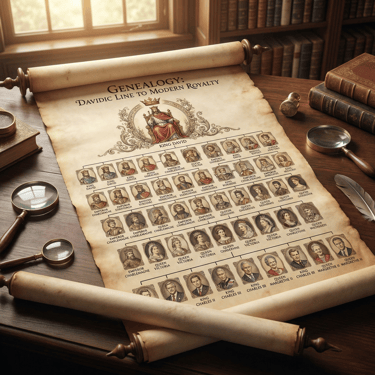
GENEALOGY ROLES THAT EXIST SHOWING ROYAL DESCENT FROM KING DAVID TO MONARCHS OF TODAY! 1. Geoffrey of Monmouth (foundation text, still authoritative under the Tudors) 📜 Historia Regum Britanniae (c. 1136) 2. Welsh genealogical manuscripts used by the Tudors 📜 Harleian MS 3859 (British Library) 3. Jesus College MS 20 (Oxford) One of the most important Welsh genealogical manuscripts 4. John Rous (15th century, still cited under the Tudors) Rous was one of the first to visually present: 5. A continuous royal line from sacred antiquity to the English Tudor genealogical rolls (physical objects) Under Henry VII and Henry VIII, genealogical rolls were produced that: Begin with Adam Pass through Noah Proceed via Japheth Reach Brutus Continue through British kings
YAHUSHUA FAMILYTHE TITULAR CLAIMFAMILY HISTORY
Lewis Family Genealogy
1/28/20262 min read
Introduction to Royal Genealogy of King David
Genealogy has long been a significant aspect of royal and noble lineage, particularly in establishing connections to revered figures from history. Among the most notable genealogical aspirations is the desire to demonstrate a direct lineage to King David, a figure of biblical prominence. This endeavor has evolved over centuries with various texts and manuscripts, particularly during the Tudor period, playing crucial roles in its documentation.
Foundational Texts in Genealogy of Gods Royal Descent
Geoffrey of Monmouth's work, the Historia Regum Britanniae, written around 1136, serves as a foundational text in understanding the royal genealogical narrative. This document has remained a critical source throughout history, notably under the Tudors. It not only chronicles the kings of Britain but also seeks to connect them to biblical figures, emphasizing their divine right to rule.
During the Tudor age, Welsh genealogical manuscripts became vital in fortifying claims of descent from King David. Noteworthy among these is the Harleian MS 3859 located in the British Library, which provides extensive genealogical records. These manuscripts showcase the profound interest of the Tudors in deriving royal legitimacy from ancient lineage.
Visual Representations and Ceremonial Rolls
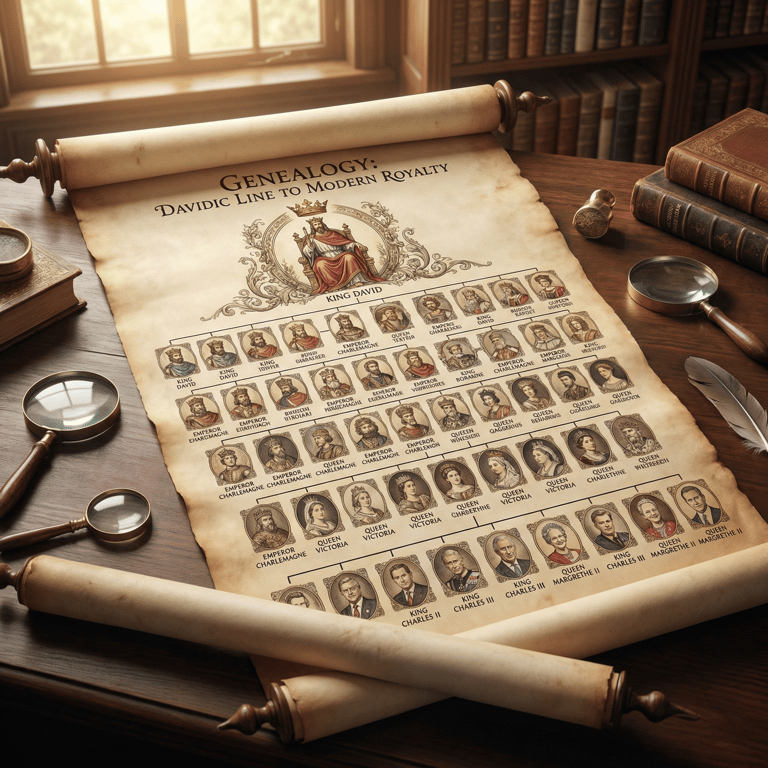
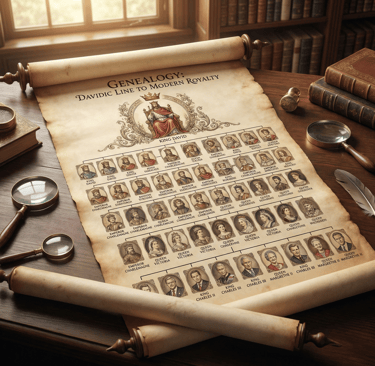
In the 15th century, historian John Rous contributed significantly to the visual presentation of genealogy, creating a continuous lineage from sacred antiquity to contemporary monarchs. This presentation was pivotal as it assisted in reinforcing the legitimacy of the Tudor dynasty. During the reigns of Henry VII and Henry VIII, genealogical rolls, known as Tudor genealogical rolls, were commissioned. These artifacts began with Adam, traversed through iconic figures such as Noah and Japheth, and extended to Brutus, culminating with the Tudors.
Such rolls served multiple purposes: they were publicly displayed, ceremonially read, and functioned as instruments of political theology within the court. Furthermore, some rolls included explicit references to biblical figures while others assumed familiarity with the sacred context among their readers, thereby creating a shared language of legitimacy and authority. This blend of civic duty and sacred reference solidified the narrative of royal descent that many monarchs aimed to portray.
Conclusion Kings of the World
The pursuit of genealogical legitimacy has shaped the historical landscape for monarchs through dedicated texts and ceremonial practices. From the writings of Geoffrey of Monmouth to the genealogical rolls under the Tudors, the connection to King David remains a powerful narrative that not only asserts royal authority but also emphasizes the intertwining of mythology and history. As we study these genealogies, we appreciate the intricate connections woven into the fabric of royal lineage, revealing the legacy of ancient authority that continues to influence contemporary monarchies.
Heritage
Explore the legacy of the Lewis family.
Contact us
© 2025. All rights reserved.
Visit Our Facebook Page